
Blog / Bristol Honda Service

Honda Engine Care: Essential Tips for Maintaining Performance

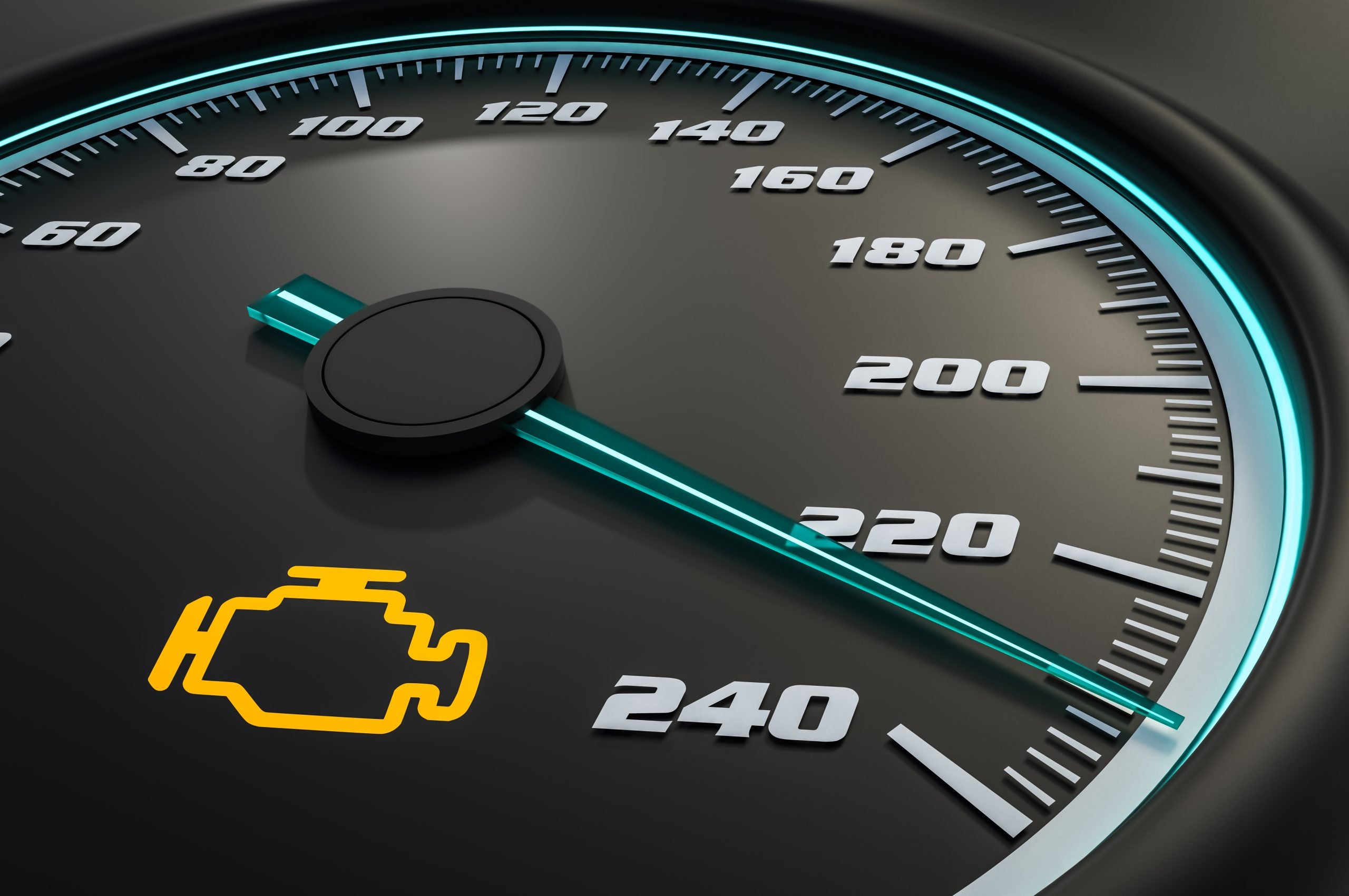
A photo of a illuminated check engine light


It's no secret that properly maintaining your Honda will help it last longer. Unfortunately, there's no shortage of issues to look out for and parts to maintain, which means you may not even know when it's time (or past time) to visit your Honda dealer for service. Luckily, we've prepared a list of essential Honda engine maintenance tips to make keeping up with your ride as easy as possible.

1. Get Regular Oil Changes

This one should come as no surprise since getting your oil changed is likely the most commonly recognized car maintenance. And that's for a reason! Oil is incredibly vital to the health of your engine, keeping components lubricated to reduce friction and lower strain on the system as a whole. It's good practice to change your oil every 5,000 to 10,000 miles based on your Honda's maintenance schedule (and make sure to get the filter replaced too).

2. Check Fluid Levels Regularly

Aside from engine oil, there are other fluids such as transmission, brake, and radiator fluid that should all be checked regularly. This also includes wiper fluid, of course. A lack of transmission fluid can cause performance issues, low brake fluid can hamper your ability to stop, and low coolant could overheat your engine. Check all fluids regularly to avoid these potential issues.

3. Drive Gently and Defensively

Your Honda can also benefit greatly from gentle driving habits. Driving defensively and carefully serves to maintain your Honda's health over time, including aspects such as gas mileage, tire longevity, and even the overall condition of your engine and its components.

4. Heed Your Check Engine Light

Everyone knows the dreaded check engine light, and the best way to answer the questions that come up when you see it is to schedule a service appointment as soon as the light comes on.

Newer model Hondas will display a code that lets you know what service is due to allay potential safety concerns, but even then, it's a good idea to get it taken care of right away. Speedy service regardless of the issue will ensure your vehicle stays on the road that much longer.


Just went out to the driveway to see if that check engine light is still on? Don't worry — we're here to get you taken care of. Contact us at Bristol Honda in Bristol, TN to schedule your next service today!

Image via

Posted in:

Related Posts

A woman looking at her car's engine on the side of the road

Four Signs Your Honda Needs Maintenance

You might need a Honda maintenance appointment between regular servicing if things don't seem quite right. Your local Honda dealership will be able to check your car, identify any potential problems, and complete any maintenance required. more 1: Unpleasant Odors If you notice a sweet, syrupy scent after your engine has been running, your coolant fluid could be leaking. In contrast, a rotten egg smell could suggest a fault with the catalytic converter or problems in the engine. Meanwhile, a musty smell could mean mold is growing inside your moist air conditioning system. 2: Sizzling Engine Noises If you think you can hear sausages sizzling in the pan when you're driving your Honda, it's time to get your car checked out. When you have a fluid leak, it can drip onto a hot engine, creating a telltale sizzling sound. This may be more apparent as you bring your car to a halt and switch the engine off. Other signs may include a puddle under your car or fluid levels that continuously drop. 3: Hard Brake Pedal Brakes use a pressurized system, so it's normal to feel some resistance. Spongy brakes are never a good sign, but your brake pedal shouldn't feel too hard either. If it becomes difficult to press the brake, you may have an issue with a component within the system. This could be a faulty brake booster, a vacuum leak, air in the brake lines, low brake fluid, or failure of the master cylinder. The only way to be certain is to get your car checked at your dealership. 4: Decreased Fuel Efficiency If your car seems to be using more gas than usual, it could point to a problem. It could be as simple as underinflated tires, or it could be a more significant issue, such as dirty spark plugs or a failing oxygen sensor. If your tires are inflated correctly or the problem persists, take your car to be checked out. Visit Your Honda Dealership Getting problems fixed quickly is essential as it prevents further damage and costly repairs. As experts in Honda, your local dealership will be able to get you back on the road quickly. With a state-of-the-art service center and highly skilled technicians, we're always happy to help. Visit us at Bristol Honda in Bristol, TN to give your car the TLC it deserves.

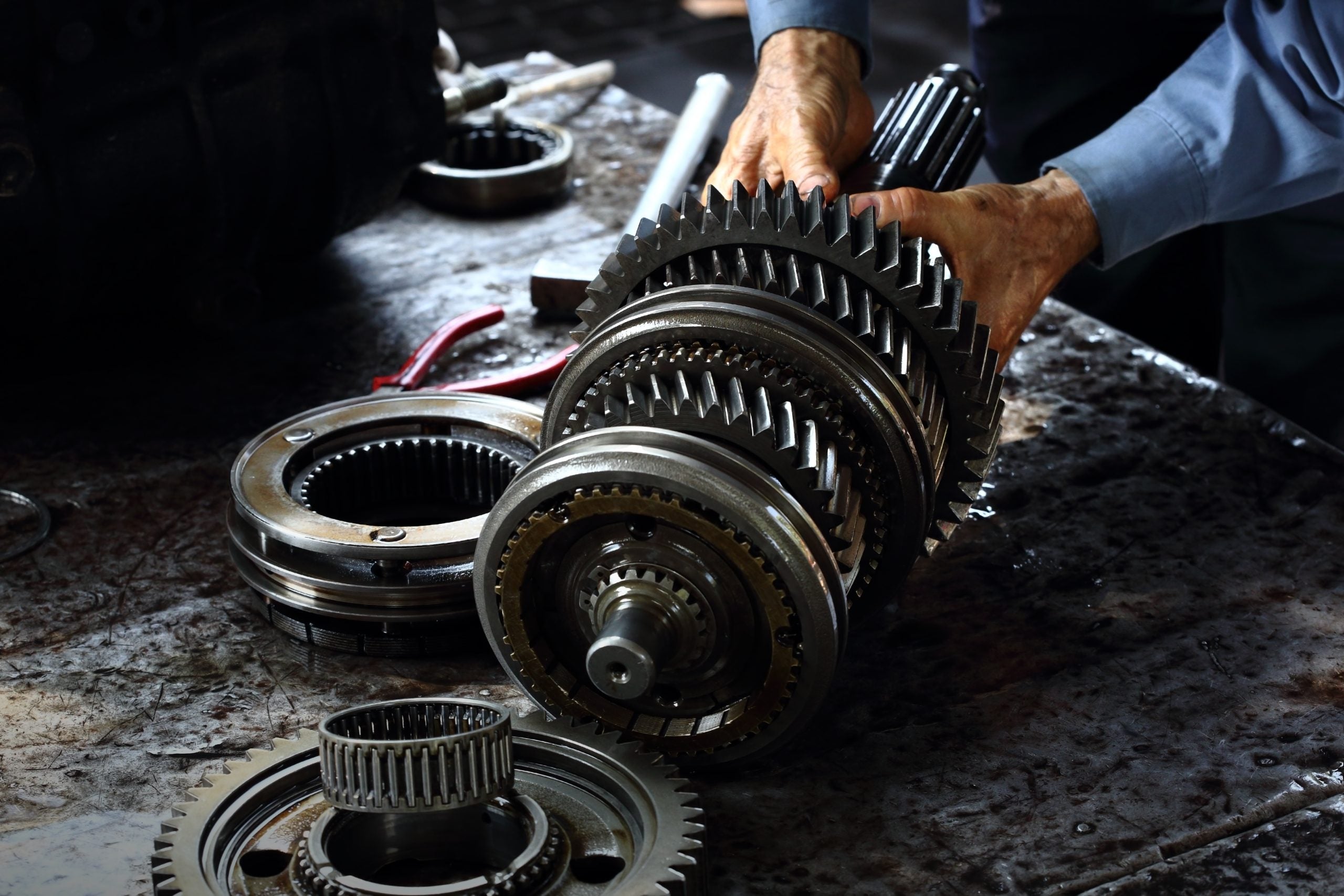
A photo of a mechanic repairing a transmission

5 Signs Your Honda Needs a Transmission Service

Visiting your Honda dealership as soon as you notice you need transmission service is essential. First, you'll get your car fixed before the problem gets worse and causes you to break down. Second, you may save money by repairing problems when they're less serious. Third, it's safer to drive when your transmission is in good condition. more 1. You Smell Something Burning Smelling something burning in your car means you need to get to the dealer ASAP. Something in the vehicle could be overheating, including a transmission. The transmission fluid can also create this burning smell, indicating it needs to be changed because it's currently old and burning up. 2. You Can't Switch Gears Many problems with your vehicle's transmission lead to difficulties with your gears. Some vehicles with a broken transmission might be unable to switch gears at all, while others may be able to switch gears, but it'll take more time or effort for you to get your vehicle to respond. This problem can be caused by dirty transmission fluid that contains debris and dirt that has built up over time. However, there are other transmission problems that can cause this issue, so it's important to visit the dealer as soon as possible in case the problem gets worse. 3. You Feel Like Your Car Is Jolting Gear shift should always be smooth. If your car seems to jolt or shake during gear changes, then it's a sign that something's wrong. If you drive a manual transmission vehicle, then a grinding sound could crop up during gear changes. 4. You Hear Noises While in Neutral If you put your car into neutral and start hearing noises that you've never heard before, then it's very likely that your transmission needs a checkup. Hearing noises while in neutral can tell you there's a minor issue, such as a low transmission fluid level, or it could tell you that there's something much more major wrong. 5. You Feel Like You're Being Pulled Forward If your car feels like it's being yanked forward, or like your car has suddenly gotten a major boost of power out of nowhere, then there's probably something wrong with your transmission. The vehicle is supposed to accelerate evenly during gear changes and not experience any sudden power surges. If your car has any of the problems above or any other issues, then don't hesitate to visit the dealer immediately. Come to Bristol Honda in Bristol, TN for all your service needs. Image Via

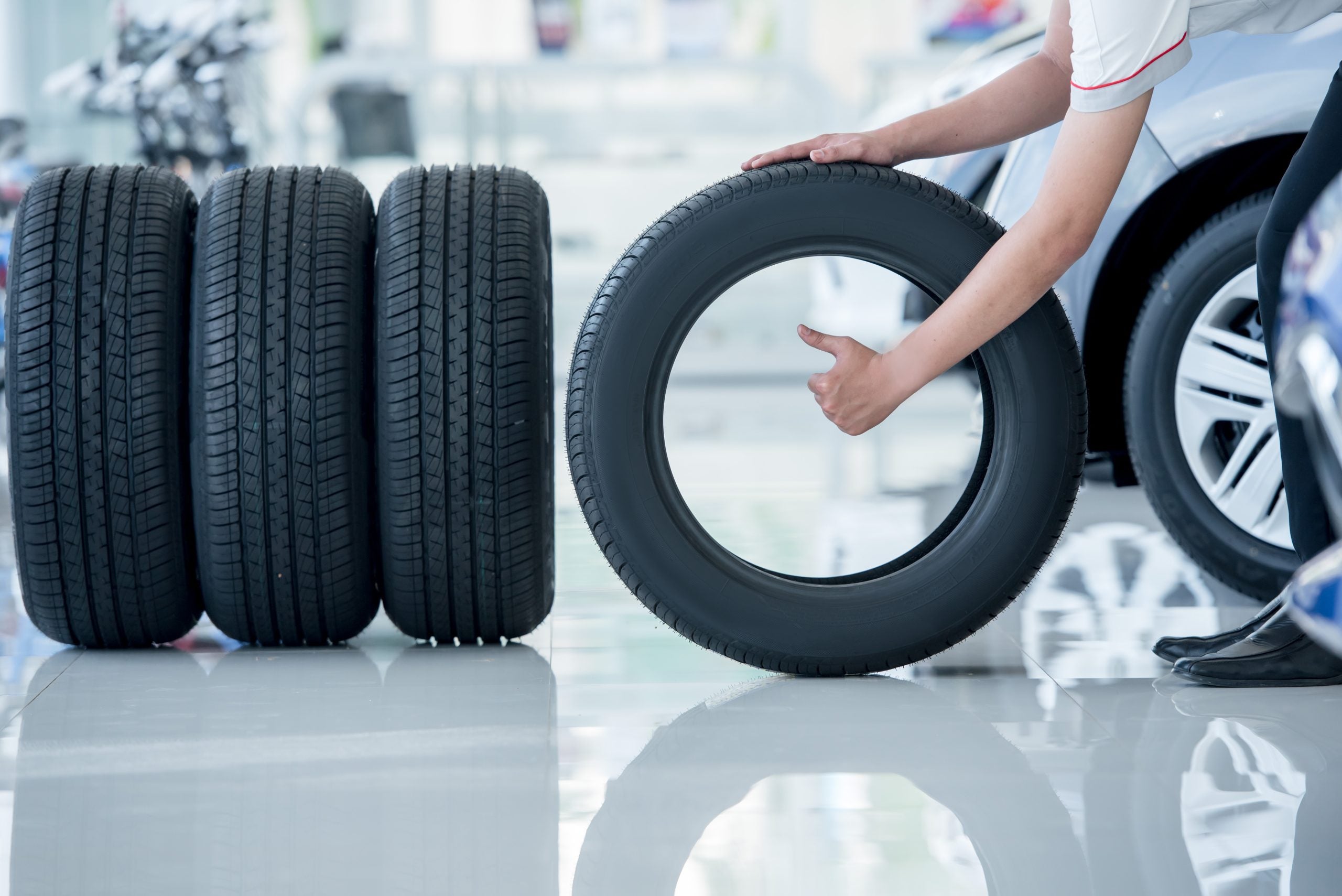
A photo of a tech giving a thumbs up through a tire

5 Signs That Your Honda Needs New Tires

Every time you drive, your car's tires take a beating. As they grip the road, the tread wears down and will wear away almost completely over time. The material also ages over the years, causing it to break down eventually. All of these factors combined make you need to replace your car's shoes every five or six years. more 1. Worn Down Tread Keeping track of how much your tread has worn down is a must. You can do that using a tread depth gauge for an accurate measurement or a penny for a rough measurement. If the gauge shows you there's 1/16 of an inch or less of tread, then it's time to get to the dealerships and get your car some new shoes. When using the penny, turn it upside down and place it into the tread. If you can see Abraham Lincoln's entire head, then your tread is too shallow. 2. Lots of Miles There's no specific number of miles you have to drive before you need to replace the old rubber on your wheels. However, it's typically wise to outfit your car with new shoes after driving 60,000 miles on your old ones. That way you'll be replacing them before they start to deteriorate. 3. Visible Cracks Although your tread is the part in contact with the ground, it's not the only area that can wear down with time. The sidewalls can also become worn or damaged. If you see what looks like cuts or cracks in the side wall, then you better get to the dealer. Cracks can be a sign that there's a blowout in your near future. 4. Bulges or Blisters Bulges in your sidewall are another problem, and they're typically a sign that your sidewall is getting weaker. Big or small, a bulge or blister is never good news. Like a real blister, the bulge on your sidewall can eventually pop, leading to a very dangerous situation if it happens while you're driving. 5. Visible Tread Wear Indicator When you inspect your tread, don't just take a look to see how deep or shallow it is. Look out for flat rubber bars that are running perpendicularly to the direction of your tread. If you spot two or more of those, then it's a sign your tread is too shallow. These bars are designed to be invisible when you have enough tread. Need some new shoes for your car? Come by Bristol Honda in Bristol, TN so we can fit the best rubber on your car's wheels today. Image via